

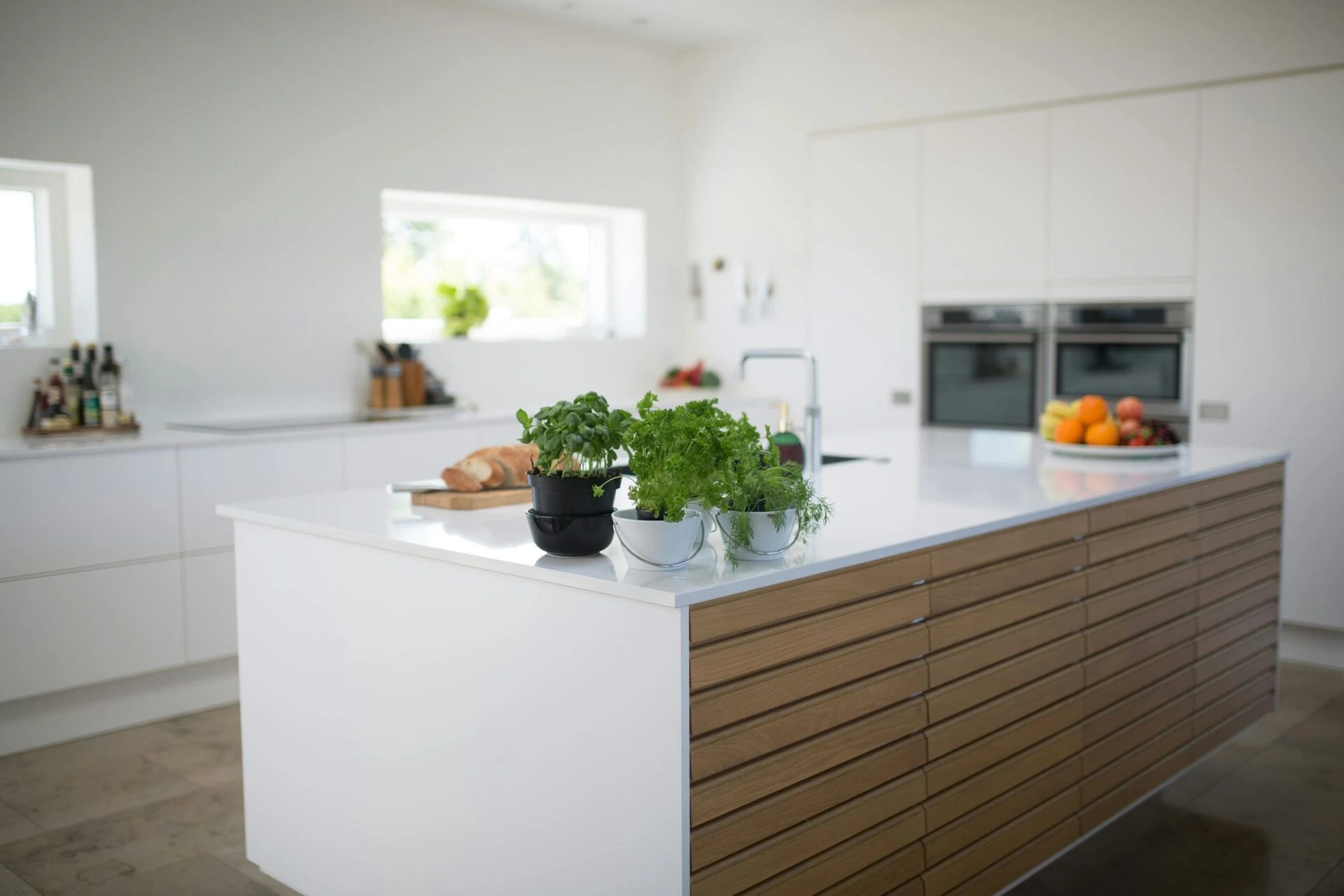
Renovating a kitchen isn’t just about extra space. Homeowners throughout the UK are shifting their focus toward kitchen extensions that are adaptable, durable and reflect future lifestyle changes.
Whether you’re seeking better lighting, improved workflow or extra room for family gatherings, a well-designed kitchen extension can transform your everyday experience.
This guide walks you through the essential factors that shape a kitchen extension suited not just for now, but for years ahead, using both practical advice and current industry standards.
What a Future-Ready Kitchen Needs
Start with how you actually use your home rather than what looks impressive on social media. Ask yourself a few honest questions.
- Where do people naturally gather now?
- Which parts of the existing kitchen feel cramped, noisy, or badly lit?
- Do you mainly cook simple weekday meals or entertain large groups?
- Is the kitchen a homework zone, home office or social hub as well as a place to cook?
Take a week to notice problems and slowdowns. Note where you trip over shoes and bags, where there isn’t enough light, and which cabinets can’t hold everything. Eco Extend and other design companies often start with this kind of observation because it shows what really needs to change, not just what you think you want at first glance.
Once you know how you use your home every day, you can choose whether you need a full-width rear extension, a side return build, or a smaller infill that just combines two rooms into one.
Planning Your Dream Kitchen Extension in the UK
The planning process has to follow UK building rules and meet the needs of the local council. Talking to professionals early on, like architects or design experts, can help you avoid problems and speed up the approval process for your project.
Layout and Connectivity
UK kitchens increasingly feature open-plan layouts that encourage movement and connectivity between indoor and outdoor spaces. Consider door and window placement to maximise light and airflow. If the addition connects to a garden or patio, choose floor materials that blend indoors and out.
Storage and Workflow
Functional extensions feature clutter-reducing storage and easy access to essentials. Deep drawers, larder cabinets, and wall-mounted shelves increase efficiency. The sink, hob and fridge constitute the kitchen triangle, which is essential to workflow, but adding worktops or islands gives you more options.
Future Proofing with Flexible Spaces
Multi-use zones adapt routines. Breakfast nooks can become study spaces, and under-stair spaces can become compact utility zones. Choose sturdy cabinetry and fittings. For timeless style, UK homeowners choose matte finishes, handleless doors, and energy-efficient appliances.
Integrating Sustainable and Smart Features in Your Kitchen Extension
Kitchen extensions can prioritise environmental impact over aesthetics. Sustainable renovations save resources, improve comfort, and cut expenses.
Choosing Materials Responsibly
Choose vendors with certified, low-VOC goods like local stone, lumber, or recycled composites. UK products like Eco Extend use improved insulation, energy-efficient glazing, and low-emission paints.
Maximising Natural Light
Installing larger windows, skylights, or bi-fold doors cuts energy costs and brightens interiors. Smart placement of openings also improves air circulation, which is important for both well-being and food preparation.
Energy-Efficient Appliances
Energy-efficient appliances should be in modern kitchen additions. Look for LED lights, water-saving dishwashers, and induction cooktops. Appliances should be accessible and upgradeable as technology advances.
Renewable Energy Integration
Solar panels or heat pumps save money over time. Installing these upgrades may cost, but they reduce grid dependence and yield big benefits. Many property experts propose wiring for future technology, even if installed later.
Smart Home Automation
App-controlled lighting, heating, and security systems not only boost convenience but also provide custom settings for daily routines. An extension equipped with these features is better prepared for future needs and increases home value.
Balancing Style and Practicality
Successful kitchen extensions combine form and utility. In the UK, minimalist contemporary and traditional Shaker styles are prominent. Personal preference matters, but choices should last. Neutral tones, natural materials, and minimal hardware are trendy. As trends change, open shelves, pendant lighting, and splashbacks can be modified.
Considering Accessibility and Safety
Plan worktops and cabinets at the right height, include non-slip flooring, and ensure movement is unobstructed for children, seniors or guests with limited mobility. Thoughtful design details enhance comfort for everyone.
Budgeting and Project Management
The cost of a kitchen extension can vary widely across the UK, affected by materials, labour, and approvals. Factor in hidden costs such as moving utilities, upgrading the boiler, and improving ventilation. Most specialists recommend a buffer for unforeseen issues.
Collaborate with reliable contractors and designers, such as those partnered with Eco Extend, to ensure honest estimates and efficient coordination. Regular reviews of progress, along with written agreements, help complete projects on time and within budget.
Bringing Your New Kitchen Extension Vision Together
Designing a kitchen extension for the future means thinking beyond square footage or short-term trends. By prioritising smart layouts, sustainable choices, and adaptable spaces, homeowners will create a kitchen that enriches daily living and adds lasting value. The expertise available in the UK, including trusted brands like Eco Extend, makes it easier to achieve a future-ready kitchen extension tailored to you.